Meteorological environment monitoring equipment supplier
Insist on doing high-precision customer favorite technology products

Meteorological environment monitoring equipment supplier
Insist on doing high-precision customer favorite technology products

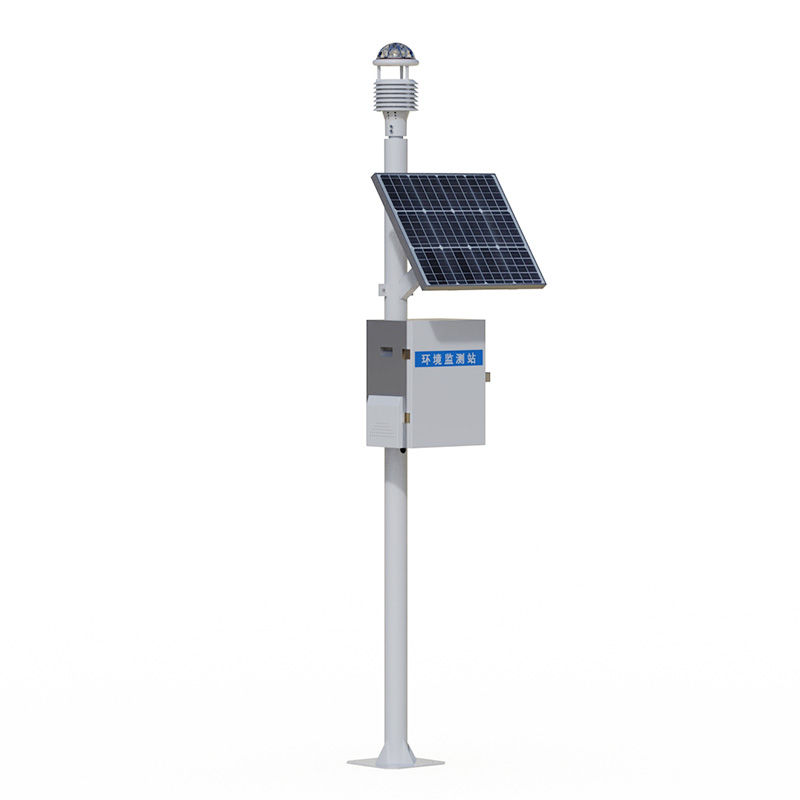
Grassland monitoring is a professional monitoring system integrating IoT, sensors, big data, and cloud computing technologies. It uses outdoor weather stations to monitor elements such as wind speed, wind direction, temperature, humidity, air pressure, solar precipitation, total solar radiation, PM2.5, and PM10 in real time, providing precise data support for grassland ecological protection and livestock development.
Grassland monitoring is a comprehensive monitoring system based on an IoT architecture. This system deploys outdoor automatic weather stations in grassland areas, integrating multiple high-precision sensors to continuously collect core meteorological and environmental data. Monitored elements typically include air temperature, humidity, wind speed, wind direction, atmospheric pressure, precipitation, total solar radiation, and particulate matter concentrations such as PM2.5 and PM10. These weather stations are designed for durability and corrosion resistance, capable of adapting to the harsh environments of grassland areas, including extreme cold, heat, and sandstorms, ensuring long-term stable operation. Data is transmitted in real-time to the cloud platform via multiple communication methods such as GPRS, 4G, and LoRa.
The system relies on cloud computing and big data technologies to build a data center and management platform. The cloud platform is responsible for receiving, storing, and processing real-time data collected from various sites. The platform features remote real-time online monitoring, allowing managers to conveniently view real-time values and historical change curves of various parameters via web pages or mobile applications. Big data analytics technology mines massive amounts of data to identify meteorological change patterns and environmental trends. The platform also establishes an early warning mechanism, allowing the setting of thresholds for key parameters such as wind speed and rainfall. In case of data anomalies, the system can promptly send warning information to managers via alarms and SMS.
The system's application value lies in its scientific support for grassland ecological protection and livestock production. Long-term, continuous meteorological and environmental data are the foundation for analyzing changes in grassland ecosystems. System data can be used to assess grassland productivity, monitor climate disasters such as drought, and provide a basis for evaluating the effectiveness of ecological governance projects. In the livestock sector, combined with other monitoring technologies, this data helps achieve precise management of grassland-livestock balance. For example, by analyzing meteorological conditions and grassland growth, grazing activities can be scientifically planned, and carrying capacity optimized, protecting grassland ecology while ensuring the sustainable development of livestock farming. This technological approach promotes the transformation of grassland management towards intelligence and informatization.
Sales Manager:Ms. Emily Wang
Tel, Whatsapp:+86 15898932201
Email:info@fengtutec.com
Add:No. 155 Optoelectronic Industry Accelerator, Gaoxin District, Weifang, Shandong, China