Meteorological environment monitoring equipment supplier
Insist on doing high-precision customer favorite technology products

Meteorological environment monitoring equipment supplier
Insist on doing high-precision customer favorite technology products

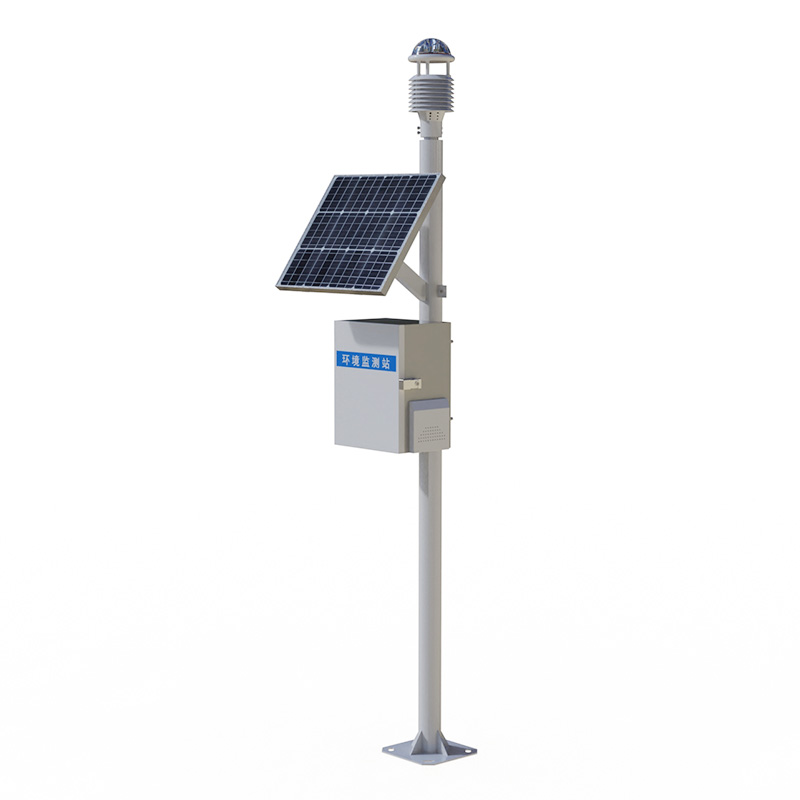
Outdoor weather station is an unattended electronic device used for automatic, continuous monitoring and recording of atmospheric environmental parameters. By integrating multiple sensors, data acquisition units, and communication modules, it achieves real-time acquisition and remote transmission of basic meteorological elements such as temperature, humidity, air pressure, wind speed, wind direction, and rainfall, providing accurate on-site meteorological data for various fields.
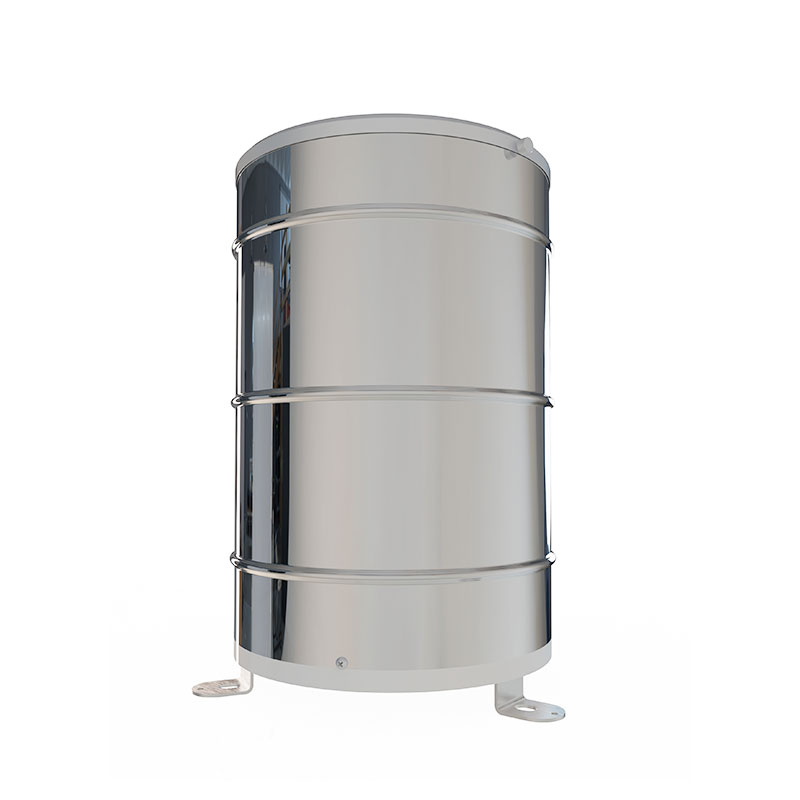
The core of Outdoor weather station lies in its sensor system and automated data processing capabilities. Temperature sensors typically use platinum resistance thermometers or semiconductor elements; humidity measurement often uses capacitive sensors; wind speed and direction are obtained through ultrasonic or mechanical wind vanes; rainfall is measured by tipping bucket rain gauges; and atmospheric pressure is monitored by silicon piezoresistive sensors. These sensors convert physical signals into electrical signals, which are collected, calculated, and stored by a central data acquisition unit at a set frequency. Data can be transmitted to a data center via wired, radio, GPRS/4G, or satellite communication.
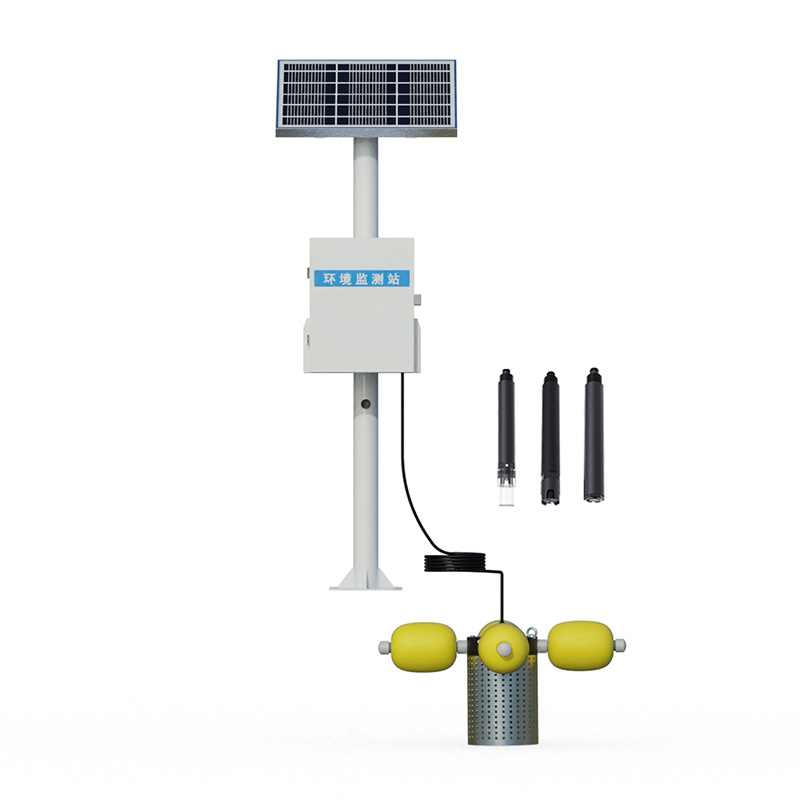
Based on application scenarios, Outdoor weather station is mainly divided into two categories: fixed stations and portable stations. Fixed automatic weather stations are designed for long-term deployment, featuring robust structures and typically equipped with solar power systems. They boast an IP65 or higher protection rating, capable of withstanding extreme cold, high temperatures, strong winds, and corrosive environments. Portable automatic weather stations are lightweight and can be quickly set up, suitable for emergency monitoring, field investigations, or temporary observation tasks.
The applications of this equipment are wide-ranging. In meteorological operations, it forms the basic unit of modern meteorological observation networks, enabling unmanned and automated data acquisition. In agriculture, it provides microclimate data for farmland, supporting precision irrigation and disaster early warning. In transportation, forestry, water conservancy, power, and ecological environment monitoring, automatic weather stations provide localized, refined weather information, supporting operational decisions and safety protection. For example, weather stations deployed along mountain roads can monitor dangerous conditions such as fog and road icing in real time.
The continuous development of Outdoor weather station technology is trending towards higher measurement accuracy, lower power consumption, and stronger data integration. The application of IoT technology makes multi-station networking and remote management more convenient. As a key source for acquiring ground meteorological data, the stable operation of this equipment plays a fundamental supporting role in weather forecasting, climate research, disaster prevention and mitigation, and various production activities.
Sales Manager:Ms. Emily Wang
Tel, Whatsapp:+86 15898932201
Email:info@fengtutec.com
Add:No. 155 Optoelectronic Industry Accelerator, Gaoxin District, Weifang, Shandong, China