Meteorological environment monitoring equipment supplier
Insist on doing high-precision customer favorite technology products

Meteorological environment monitoring equipment supplier
Insist on doing high-precision customer favorite technology products

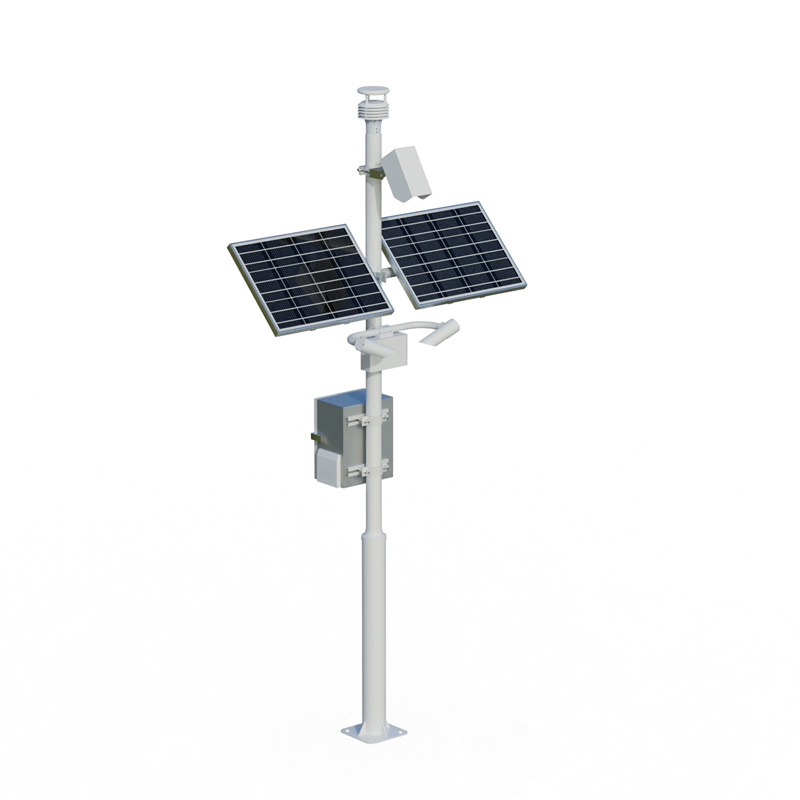
Traffic automatic weather stations are automated monitoring systems deployed along highways and complex road sections. They are capable of the real-time collection and transmission of data regarding visibility, wind speed, wind direction, temperature, humidity, atmospheric pressure, rainfall, and road surface conditions. By providing precise data support for traffic management, these stations effectively enhance the level of road safety during adverse weather conditions.
The traffic automatic weather station is a highly intelligent, automated meteorological detection system specifically designed to meet the demands of modern road traffic safety management. Suitable for deployment in a wide variety of harsh outdoor environments, the system automatically collects data on numerous meteorological parameters and performs real-time monitoring of key elements such as visibility, wind speed, wind direction, temperature, humidity, atmospheric pressure, rainfall, and road surface conditions. As a comprehensive device capable of automatically collecting, processing, and transmitting meteorological data, it provides traffic management authorities with a precise basis for decision-making.
The core strength of this system lies in its comprehensive monitoring capabilities and high degree of environmental adaptability. In addition to standard monitoring of air temperature, humidity, atmospheric pressure, and rainfall, the most prominent feature of the traffic automatic weather station is its sophisticated perception of road surface conditions. Utilizing either embedded or non-contact road surface sensors, the system can accurately distinguish between various surface states—such as dry, wet, waterlogged, icy, or snow-covered—and can measure the thickness of water films, ice layers, or snow layers. Furthermore, its ability to monitor low-visibility conditions is critical; it effectively identifies weather phenomena such as fog, haze, and heavy rainfall, thereby providing the essential data foundation for early warning systems.
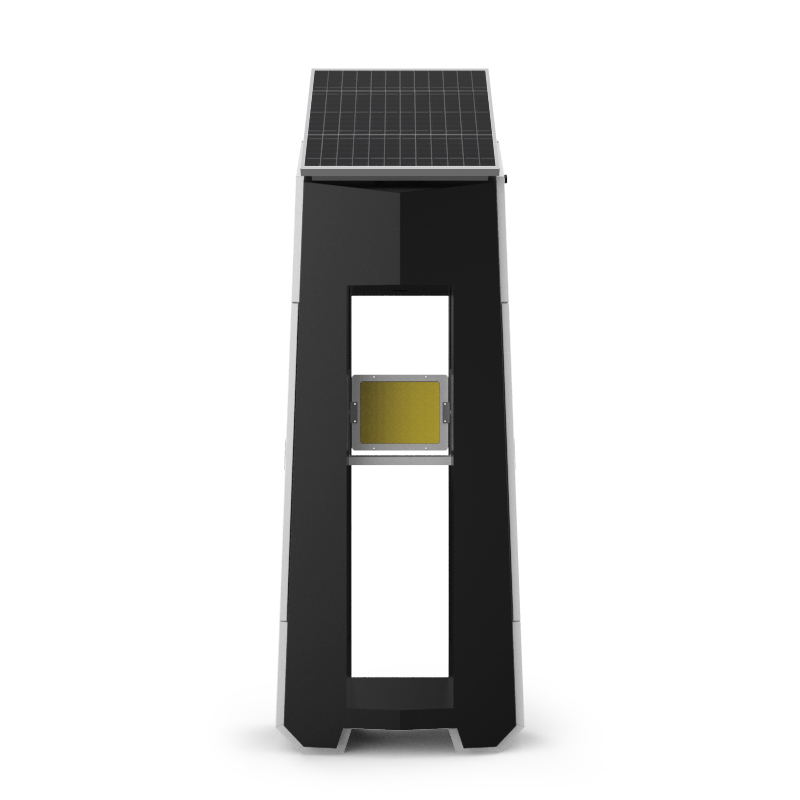
In practical applications, traffic automatic weather stations typically feature a modular design, characterized by a compact structure and ease of installation. The system boasts high reliability, enabling continuous, unmanned operation around the clock; it utilizes solar power supplemented by backup batteries to ensure normal functionality even under adverse conditions, such as prolonged periods of overcast or rainy weather. The collected data is transmitted in real-time to a central monitoring center via various communication channels—including 4G networks, fiber optics, or Ethernet—where it is integrated with video surveillance systems to achieve comprehensive situational awareness of the road environment.
Moreover, modern traffic automatic weather stations have evolved beyond the mere level of data collection. It is capable of linking with variable message signs, speed limit indicators, and similar devices to automatically issue warning messages whenever conditions—such as icy road surfaces, heavy fog, or strong winds—are detected to have exceeded safety thresholds. Some advanced systems are further equipped with edge computing capabilities, enabling them to generate real-time, sub-second alerts directly at the source. This provides a scientific basis for critical operational decisions—such as opening or closing highways, as well as snow and ice removal—thereby effectively preventing and reducing traffic accidents while safeguarding the lives and property of the public.
Sales Manager:Ms. Emily Wang
Tel, Whatsapp:+86 15898932201
Email:info@fengtutec.com
Add:No. 155 Optoelectronic Industry Accelerator, Gaoxin District, Weifang, Shandong, China